
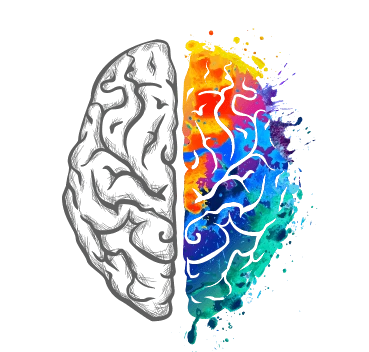
Research shows: Up to 90% of snap judgments about products are based on color alone.
For businesses like yours, especially in design and marketing, mastering color psychologyis not optional—it’s a competitive advantage.
The Science Behind Color Psychology ?
Color psychology is rooted in cognitive and emotional processing.
When a user sees a color, their brain instantly associates it with:
- Emotions
- Experiences
- Cultural meanings
This reaction happens in milliseconds—before conscious thinking.
Red: The Trigger of Urgency and Action
Red increases heart rate and creates a sense of urgency.
Used For:
- Sale banners
- Discount alerts
- CTA buttons
Impact:
Red can increase conversion rates when used strategically—but overuse can create anxiety.
Blue: The Foundation of Trust and Stability
Blue is the most widely used color in digital branding.
Why It Works:
It signals:
- Trust
- Security
- Professionalism
That’s why companies like banks, tech firms, and SaaS platforms prefer blue.
Green: Growth, Balance, and Positivity
Green is associated with:
- Nature
- Health
- Wealth
Best Use Cases:
- Wellness brands
- Finance platforms
- Eco-friendly products
Black: Luxury, Power, and Exclusivity
Black is a premium color.
Used By:
- Luxury brands
- High-end services
It communicates sophistication and exclusivity.
Yellow & Orange: Attention and Energy
These colors grab attention quickly.
Use Carefully:
Too much can feel overwhelming.
Color Combinations: The Real Game-Changer
Single colors don’t build brands—color systems do.
Example:
- Blue (trust) + White (clarity) → Clean tech brand
- Black + Gold → Premium luxury
Cultural Influence on Color Perception
Color meanings change across regions.
Example:
- Red = Luck (India, China)
- Red = Danger (Western markets)
This is critical for brands targeting Indian audiences.
Color in Website UX and Conversion Optimization
Key Principles:
- Use contrast for CTA buttons
- >Maintain consistency
- Limit palette (3–5 colors max)
How Cre8ative Connect Uses Color Strategically
We don’t just “choose colors”—we:
- Analyze target audience
- Define brand personality
- Build color systems
- Apply across digital assets
Conclusion: Color is a silent salesperson.
When used strategically, it can:
- Increase trust
- Improve engagement
- Boost conversions